Voters in Corpus Christi, Texas, have approved a charter amendment imposing automatic water surcharges on major industrial users during droughts. The measure passed by a two-to-one margin despite industry groups’ spending against it, according to the report produced by Inside Climate News and the Texas Newsroom.
The fees would apply when the city’s main reservoirs fall below specified levels. Industrial users would pay an additional $3 per 1,000 gallons when reservoirs drop below 30 percent full, $6 below 20 percent, and $12 if the city declares a water emergency. The charges would be added to the current rate of about $4.50 per 1,000 gallons.
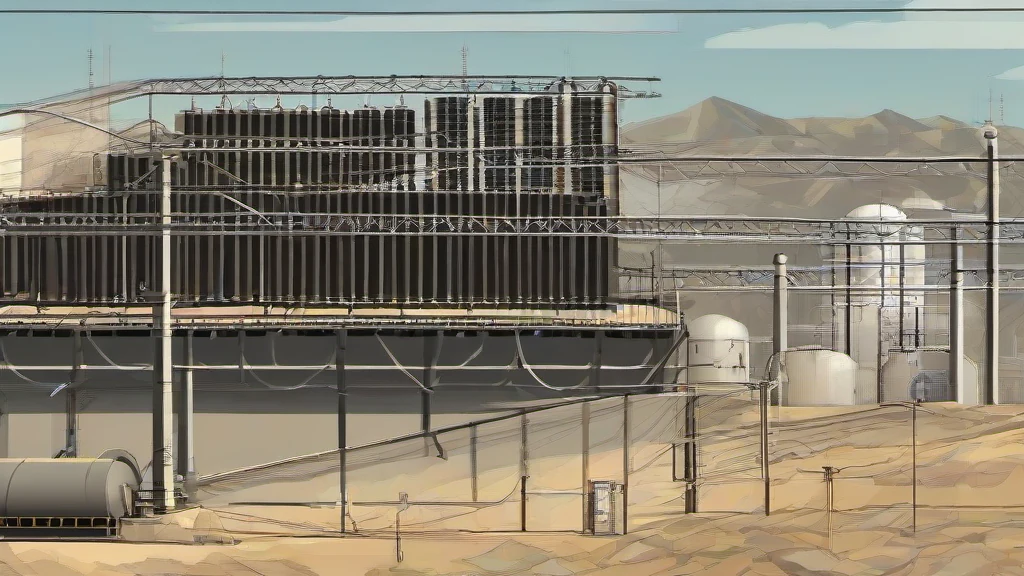
Refineries, chemical plants and other industrial facilities account for more than half of water consumption in the region. The amendment names large users including ExxonMobil, Valero and OxyChem. A plastics plant jointly owned by ExxonMobil and Saudi Basic Industries Corp. used 13.5 million gallons a day in 2025, nearly as much as Corpus Christi residents combined. At the $6 surcharge level, the plant would face about $810,000 in additional daily costs.
The amendment also cancels an existing arrangement that allowed industrial facilities to avoid potential drought surcharges by paying a separate fee. The arrangement, adopted in 2018, was intended to help fund a seawater desalination plant, but the city called off the project in 2025 after estimated annual payments rose to nearly $70 million.
The change will not take effect immediately: it includes a five-year grace period. City Manager Peter Zanoni said the amendment carries significant legal implications and that the city could face challenges in court and before the state Public Utility Commission. The measure was advanced by a petition drive led by groups including Texas Campaign for the Environment, which said it would defend the voters’ decision.
The petition campaign gathered almost 13,000 verified signatures earlier this year, during a severe water crisis. Heavy rainfall in July replenished local reservoirs above critical levels, and the City Council put the amendment on the November ballot in August. The reservoirs had fallen below 8 percent full in May, after a record five-year drought.
Sources: Inside Climate News.