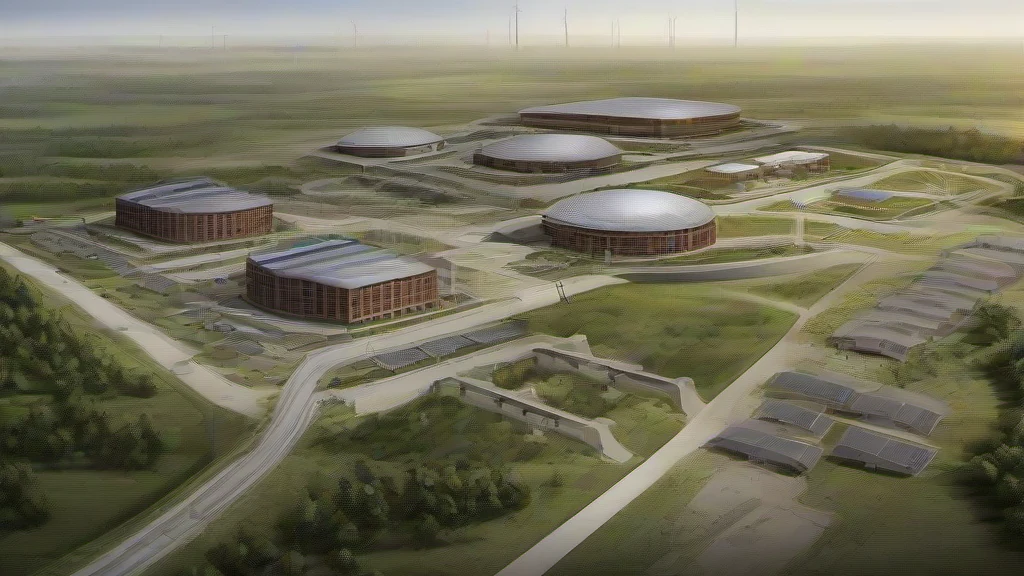
US Defense Secretary Pete Hegseth’s FORTRESS America plan includes a vision for military bases designed around walkability, community services and greater independence from civilian infrastructure. The approach echoes the 15-minute city model, which aims to put everyday needs within walking or cycling distance of home.
Announced on September 30, FORTRESS stands for “Federal Operations for Resilience, Troop Resources, Energy, Supply, and Survivability.” The plan is intended to help major US Defense Department bases continue operating for an extended period if they are cut off from civilian resources, while providing for the needs of the people living and working there.
A key part of the initiative, called the “Next Great American Base,” would pair compact, walkable design with schools, healthcare and town centers. In an October 29 presentation, Assistant Secretary for Energy, Installations, and Environment Dale Marks said the aim was to create facilities that support quality of life as well as military readiness. He also highlighted problems such as mold, faulty plumbing and leaking roofs in existing base housing.
The plan also calls for reliable on-site energy. Nuclear power is currently identified as a leading option, while the source article notes that solar-powered microgrids could also be considered. Marks said the first new base is expected to serve as a model for future projects, with states and other stakeholders anticipated to compete to host it.
The 15-minute city concept, formalized by urban planner Carlos Moreno in 2016, focuses on making services such as shopping, recreation, schools and healthcare accessible on foot or by bicycle. Its supporters cite potential benefits including reduced car use, lower emissions and broader access to essential resources.
Sources: CleanTechnica.